Get Marketing Insights First
Subscribe to receive actionable strategies, growth tips, and industry insights delivered straight to your inbox.

HealthTech Startup Temple’s valuation milestone is about more than a funding number. It highlights growing investor confidence in healthcare innovation, wearable technology, and founder-led startups tackling long-term challenges.
For aspiring entrepreneurs, the story demonstrates that building breakthrough products and creating value for employees can go hand in hand. As India’s startup ecosystem evolves, companies that combine innovation with strong team culture are likely to stand out in the years ahead.
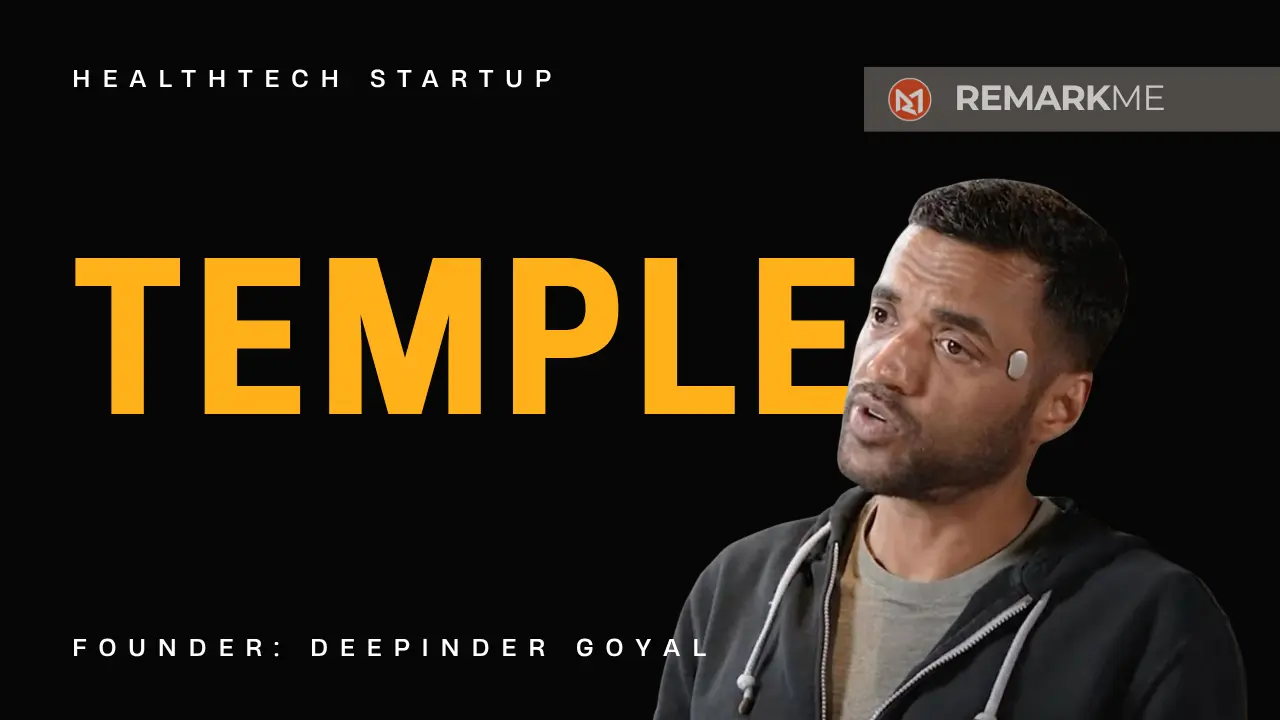
HealthTech startup Temple, founded by Deepinder Goyal, has nearly doubled its valuation to $375 million through its first employee stock ownership plan (ESOP) liquidity programme. The development comes just months after the company raised its seed round at a valuation of around $190 million, highlighting strong investor interest in the startup’s long-term vision.
The ESOP programme allows a group of early employees to sell part of their vested stock options. This gives team members an opportunity to realise some of the value they have helped create, even before the company raises its next funding round.
Temple’s liquidity programme is available to around 20 early employees, who can sell up to 25% of their vested ESOPs. Unlike many early-stage startups, where buybacks often happen at a discount, Temple’s programme is being conducted at a valuation significantly higher than its previous funding round.
According to reports, Deepinder Goyal told employees that the company is already receiving interest from investors at an even higher valuation. Before completing another funding round, he wanted early team members to benefit from the company’s growth.
The sharp increase in Temple’s valuation reflects growing confidence in preventive healthcare and wearable technology.
The startup is developing a premium wearable device designed to provide users with deeper health insights by analysing physiological signals. The company is focusing on advanced health monitoring rather than competing directly with traditional fitness trackers.
Although the product has not yet been commercially launched, investor interest suggests confidence in both the technology and the market opportunity.
Employee Stock Ownership Plans are an important part of startup culture. They allow employees to participate in the company’s long-term success.
However, employees usually need to wait for an acquisition or IPO before converting their stock options into cash. Liquidity programmes like Temple’s provide an earlier opportunity to realise some of that value.
Such initiatives also help startups attract and retain talented professionals by rewarding long-term contributions.
Temple’s latest milestone reflects the growing maturity of India’s startup ecosystem.
Founders are increasingly recognising that wealth creation should extend beyond investors. Sharing financial success with employees strengthens company culture and reinforces the idea that startups are built through collective effort.
As more startups adopt similar practices, ESOP liquidity events could become a stronger tool for attracting skilled talent across the ecosystem.
Temple’s announcement offers two important lessons for entrepreneurs.
First, building an innovative product can attract investor confidence even before commercial launch, provided the company demonstrates a clear long-term vision and technical capability.
Second, recognising employee contributions can become a competitive advantage. Rewarding early team members helps build trust, improves retention, and creates a stronger foundation for future growth.
HealthTech Startup Temple is expected to continue product development while preparing for its next phase of growth. Reports indicate the company is attracting investor interest at valuations higher than its current ESOP programme, suggesting another funding round could follow in the future.
If the company successfully launches its wearable platform, it could become one of India’s most closely watched HealthTech startups.